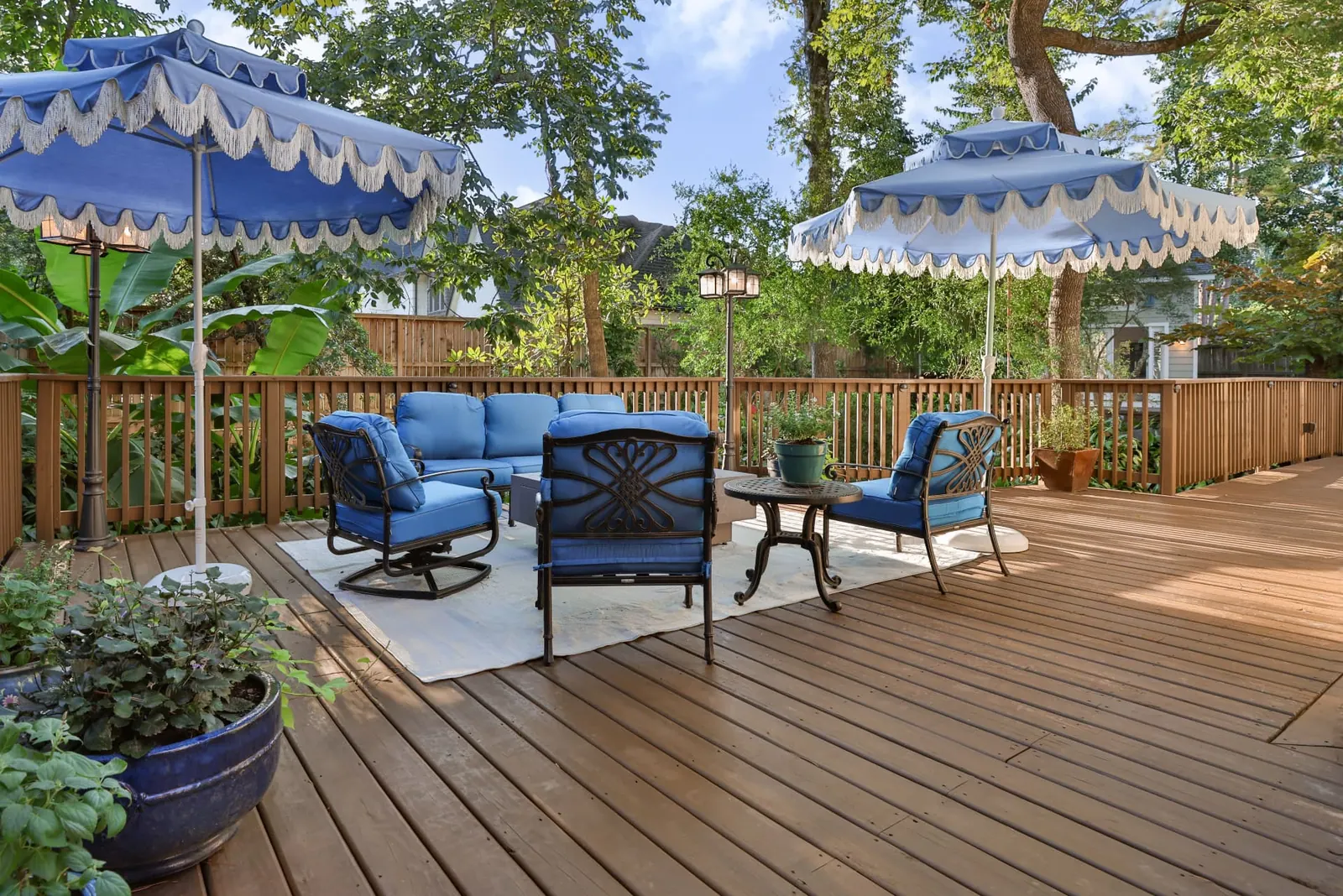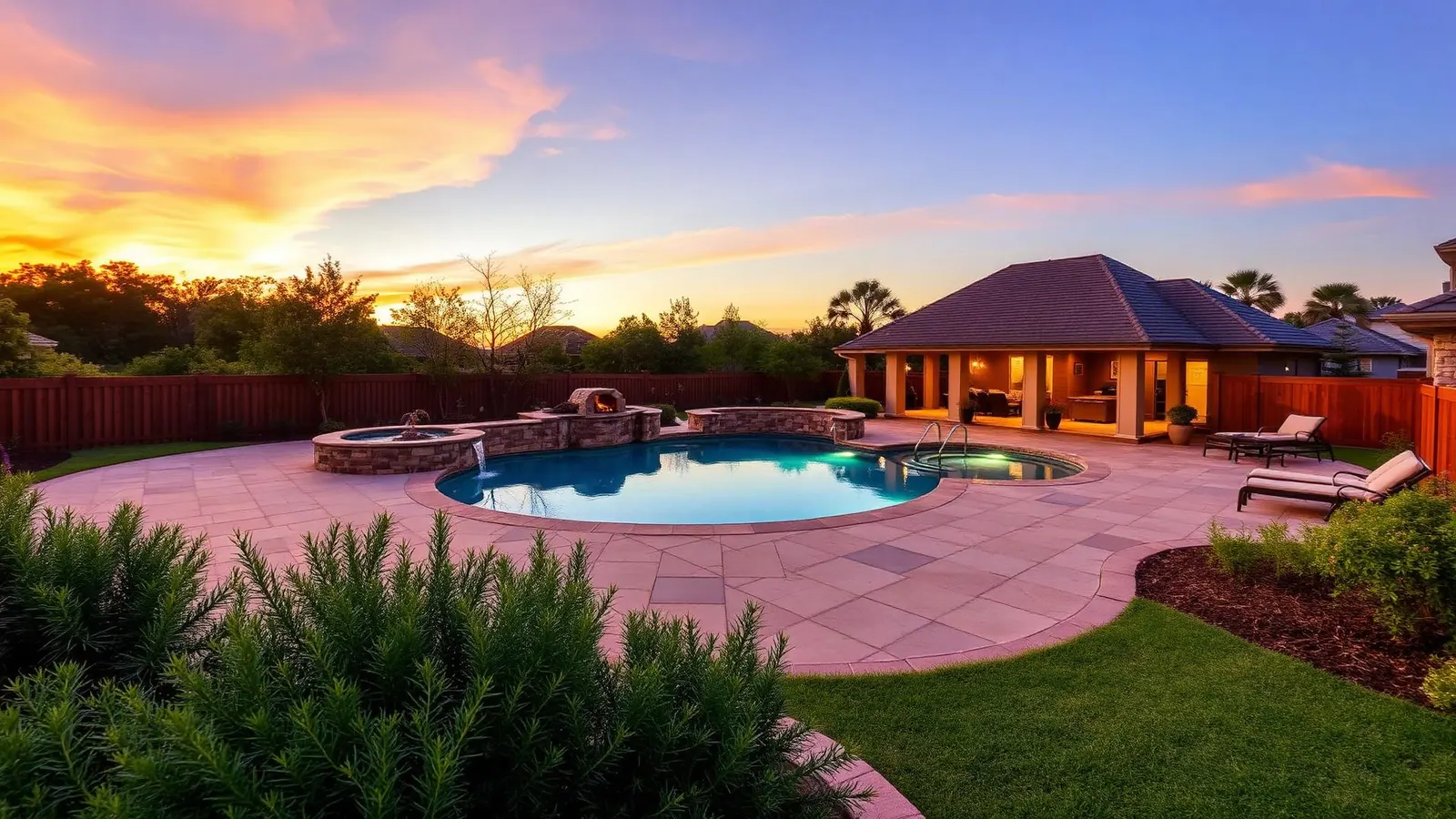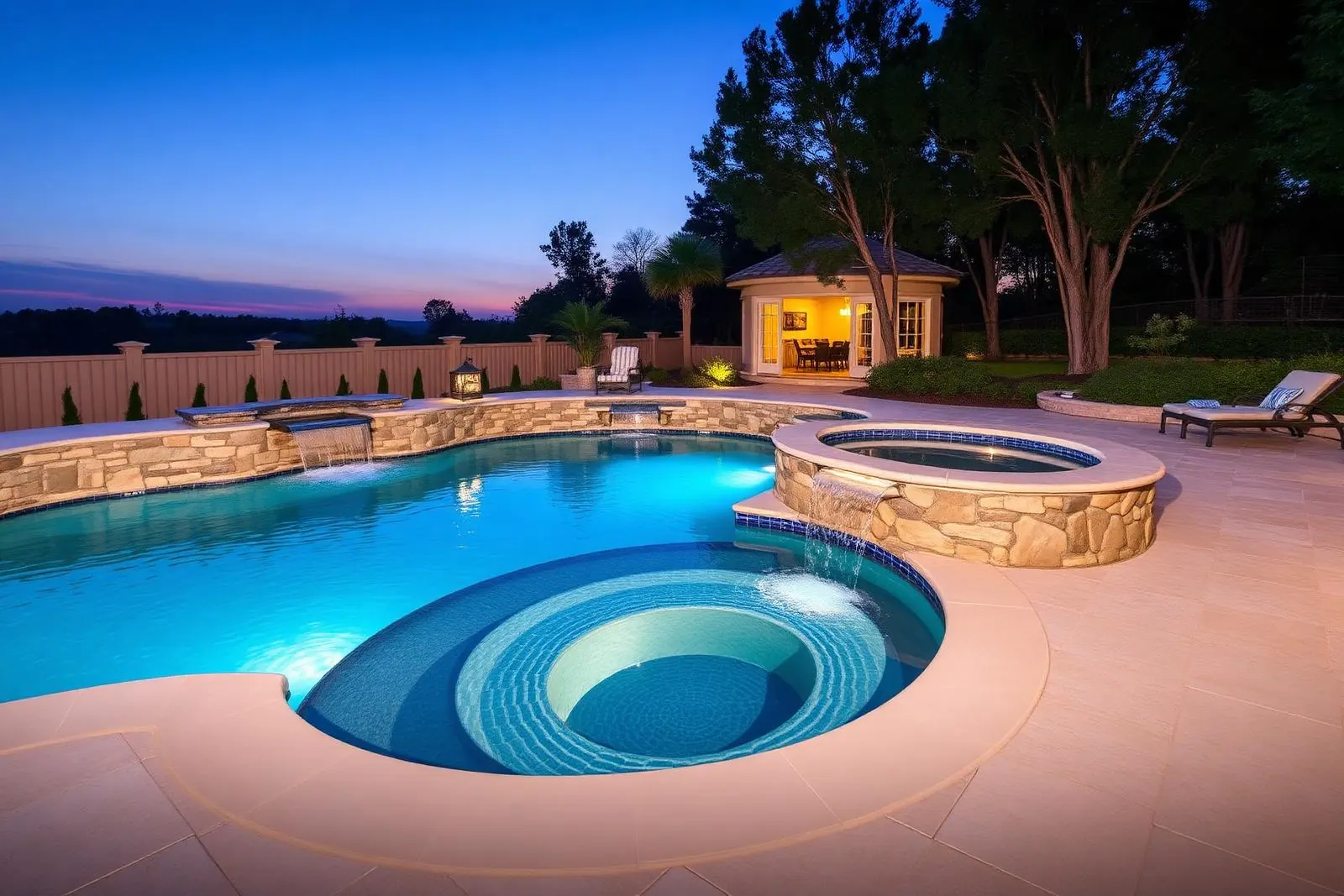
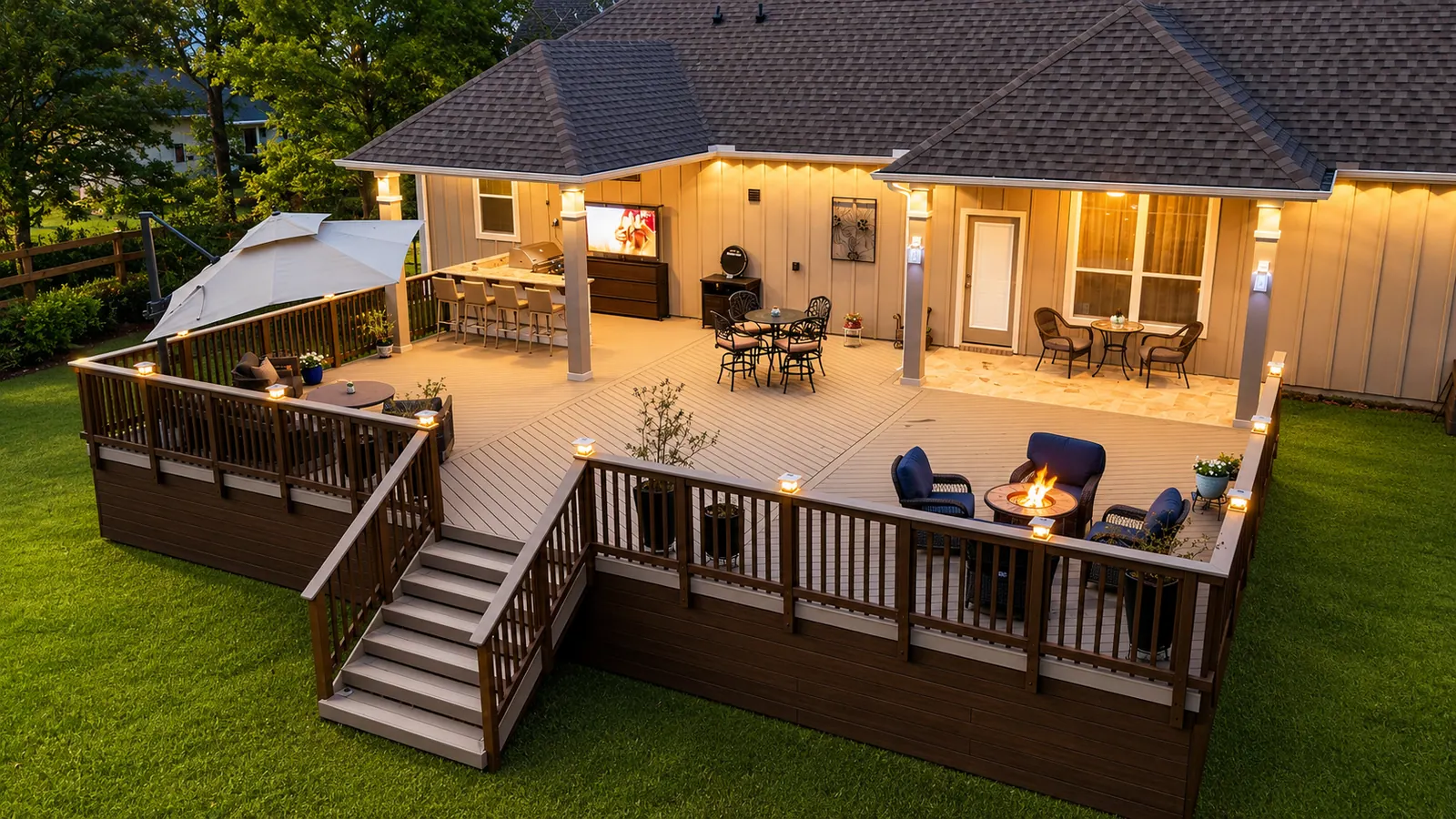
If you're considering adding a custom deck to your Houston-area home, one of the first questions is probably: How much should I expect to invest? It's an important question — but the answer depends on much more than square footage.
Custom decks can range from straightforward standalone projects to expansive, highly customized outdoor environments. The size of the deck matters, but so do the materials, structural requirements, property conditions, elevation, architectural details, lighting, and features incorporated into the design.
For some homeowners, the goal is a beautiful new deck for relaxing and entertaining. For others, the deck is one element of a much larger vision for how they want to experience their backyard. Understanding what drives the investment can help you establish realistic expectations and make more informed decisions before construction begins.
What Does a Custom Deck Cost in Houston?
Every custom deck is different, but having a general starting point can be helpful during the early planning process. For general planning purposes, wood deck projects may start around $6,000, while composite deck projects may start around $9,000.
From there, the investment can increase substantially depending on the scale of the project, premium material selections, structural complexity, custom stairs and railings, integrated lighting, multiple elevations, architectural details, and other features incorporated into the design.
These figures are intended as general starting points rather than estimates or guaranteed pricing for a particular property. A straightforward deck and an expansive, highly customized composite deck designed as part of a complete outdoor living environment are fundamentally different projects. For that reason, there really isn't a practical upper limit for highly customized deck construction. As the scale, materials, complexity, and level of personalization increase, so does the investment.
The better question often becomes: what do you want your outdoor space to become? Starting prices are provided for general planning purposes only. Actual project pricing varies based on design, size, materials, site conditions, structural requirements, features, and other project-specific considerations.
What Determines the Cost of a Custom Deck?
Two decks with nearly identical square footage can have very different costs. Some of the biggest factors include:
- Overall size and layout
- Wood or composite decking selection
- Brand, product line, color, and finish selections
- Existing property and site conditions
- Height and structural requirements
- Stairs and multiple elevations
- Railings
- Built-in seating and custom features
- Deck and stair lighting
- Electrical requirements
- Demolition of an existing deck
- Access to the construction area
- Integration with the home and surrounding outdoor spaces
This is why a price based solely on square footage rarely tells the whole story. The best deck projects begin with a conversation about how you want to live outdoors — how you entertain, where your family gathers, what level of maintenance you prefer, and how the finished space should complement your home. Those priorities help guide the design, materials, features, and investment.
Wood vs. Composite Decking: How Material Affects Cost
Premium Wood Decking
Wood remains popular because of its natural beauty and ability to complement a wide range of architectural styles. Different wood species, grades, finishes, and construction details can significantly influence the investment. Houston homeowners should also consider the maintenance required to protect wood decking from our area's intense sun, heat, humidity, and heavy rainfall, and how long a custom deck lasts with proper care. For homeowners who appreciate the warmth and character of natural wood and are comfortable with its maintenance requirements, it can be an excellent choice.
Composite Decking
Premium composite decking from manufacturers such as MoistureShield® and Trex® generally carries a higher upfront material cost than many traditional wood options, but it offers an attractive alternative for homeowners who prefer lower ongoing maintenance. Composite decking doesn't require the routine staining typically associated with traditional wood and is available in a wide range of colors, textures, and finishes.
For homeowners creating larger outdoor environments, composite can also provide a consistent architectural finish across expansive deck surfaces, stairs, multiple elevations, and entertaining areas. The right choice isn't necessarily whichever material costs less initially — it's the material that provides the right combination of appearance, durability, maintenance, and long-term value for your home and lifestyle.
The Quality You Don't See Matters
The decking itself gets most of the attention. But much of what determines how a deck performs over time is underneath it. Footings, framing, beams, joists, fasteners, connections, and other structural components all play an important role in the strength and longevity of the finished deck.
Houston-area properties can also present their own construction considerations. Drainage, soil conditions, heavy rainfall, elevation changes, attachment to the home, and the size and configuration of the deck can all influence structural requirements. What supports your deck is every bit as important as the surface you see.
This is also why comparing proposals based only on price can be misleading. Two decks may appear very similar in a rendering or proposal while being considerably different in their materials, structural approach, and construction details. Quality isn't limited to the finishes you see when the project is complete — it begins with the decisions and craftsmanship that eventually become hidden beneath them.
Custom Design Can Change the Investment — and the Experience
A basic rectangular deck will generally be less complex to construct than one designed around an existing pool, landscaping, elevation change, architectural feature, or larger outdoor living plan. Custom details may include:
- Picture-frame borders
- Contrasting decking
- Angled or patterned deck boards
- Multiple elevations
- Custom stairs
- Integrated seating
- Custom railings
- Deck and stair lighting
- Privacy elements
- Architectural details
These aren't simply decorative upgrades. Thoughtful design can improve traffic flow, create distinct areas for gathering and entertaining, take advantage of views, and make the finished deck feel like a natural extension of the home. That's where custom design begins to make a meaningful difference.
When the Deck Is Part of a Larger Vision
Maybe you're not really looking for just a deck at all. You're envisioning a backyard that feels like an extension of your home — a place where an afternoon outside becomes dinner with friends, family gathers around the pool, conversations continue after sunset, and the entire property feels intentionally designed rather than assembled one project at a time.
In that vision, the deck becomes one element of a much larger outdoor living environment. Perhaps your long-term plans include a pool, covered entertaining area, outdoor kitchen, pergola, fire feature, integrated lighting, or several distinct areas for cooking, dining, entertaining, and relaxing.
You don't necessarily have to build everything at once. But it makes sense to think about the complete vision before deciding how the deck should be designed. The location of stairs, structural support, electrical service, utilities, elevations, traffic patterns, views, and available space can all become important as the property evolves. Planning with the larger vision in mind can help the different areas of the backyard ultimately feel intentional, connected, and appropriate for the architecture of your home.
Why the Lowest Deck Bid Isn't Always the Best Value
When comparing deck proposals, don't compare the final numbers until you've compared what's actually included. Two proposals with very different prices may not represent the same deck. Look at the decking materials, structural components, site preparation, stairs, railings, electrical work, lighting, finishes, demolition, cleanup, and other items included within the scope.
Understand the structural approach. Ask why certain materials or construction methods are being recommended. Find out what could become an additional expense later. And pay attention to something that's harder to put on a spreadsheet: communication.
A custom outdoor project represents a significant investment in your home. You should understand what's being built, how decisions will be made, how changes will be handled, what the process looks like, and who you'll communicate with throughout construction. The goal isn't simply to find the lowest number — it's to feel confident that the design, materials, construction, and people behind the project are appropriate for what you're trying to create.
Start With the Experience You Want to Create
Instead of beginning with "How big of a deck can I get for my budget?" consider starting with "How do we want to live out here?" Morning coffee overlooking the backyard? Dinner outside with the family? A comfortable place for friends to gather? A low-maintenance space around the pool? Or a complete outdoor environment incorporating different spaces for cooking, entertaining, relaxing, swimming, and enjoying evenings outside?
Those conversations help determine the size, materials, layout, features, and investment that make sense for your property. At The Deck & Patio Company, our Houston deck design and construction team helps homeowners work through those decisions before construction begins — from selecting wood or composite decking to determining the layout, structural requirements, design details, and features appropriate for the property.
For homeowners considering a larger transformation, that conversation can also include how today's deck fits into the complete vision for tomorrow's outdoor living space. The result isn't simply a new deck. It's an outdoor space designed around your home and the way you want to live.
Frequently Asked Questions About Custom Decks in Houston
Is composite decking more expensive than wood?
Premium composite decking generally has a higher upfront material cost than many traditional wood options. However, homeowners should also consider long-term maintenance when comparing the two. Composite decking eliminates the routine staining typically associated with wood decking, which may be particularly appealing for homeowners who prioritize lower-maintenance outdoor living.
What can increase the cost of a custom deck?
Size, decking selection, site conditions, structural requirements, multiple elevations, stairs, railings, lighting, electrical work, built-in features, architectural details, and the overall complexity of the design can all influence the final investment.
Can I add a pergola, outdoor kitchen, pool, or other features later?
Often, yes. However, if you already know additional outdoor living features may eventually be part of your plans, discussing the larger vision during the initial deck-design process can help ensure today's decisions support what you may want to create tomorrow.
Should I choose wood or composite decking for a Houston home?
Both can be excellent choices. The decision depends on the appearance you prefer, desired maintenance level, project investment, and how you intend to use the space. Houston's heat, humidity, heavy rainfall, and sun exposure should also be considered when evaluating decking materials.
Let's Talk About What You Want Your Backyard to Become
Whether you're considering a custom deck or envisioning a complete outdoor living environment, the best place to begin isn't with a list of products. It begins with your vision. Bring us your ideas, inspiration, wish list, and questions. We'll help you explore what's possible for your property, understand your options, and develop a plan around your lifestyle, priorities, and investment expectations.
Schedule your complimentary design consultation with The Deck & Patio Company. Design. Build. Enjoy.